
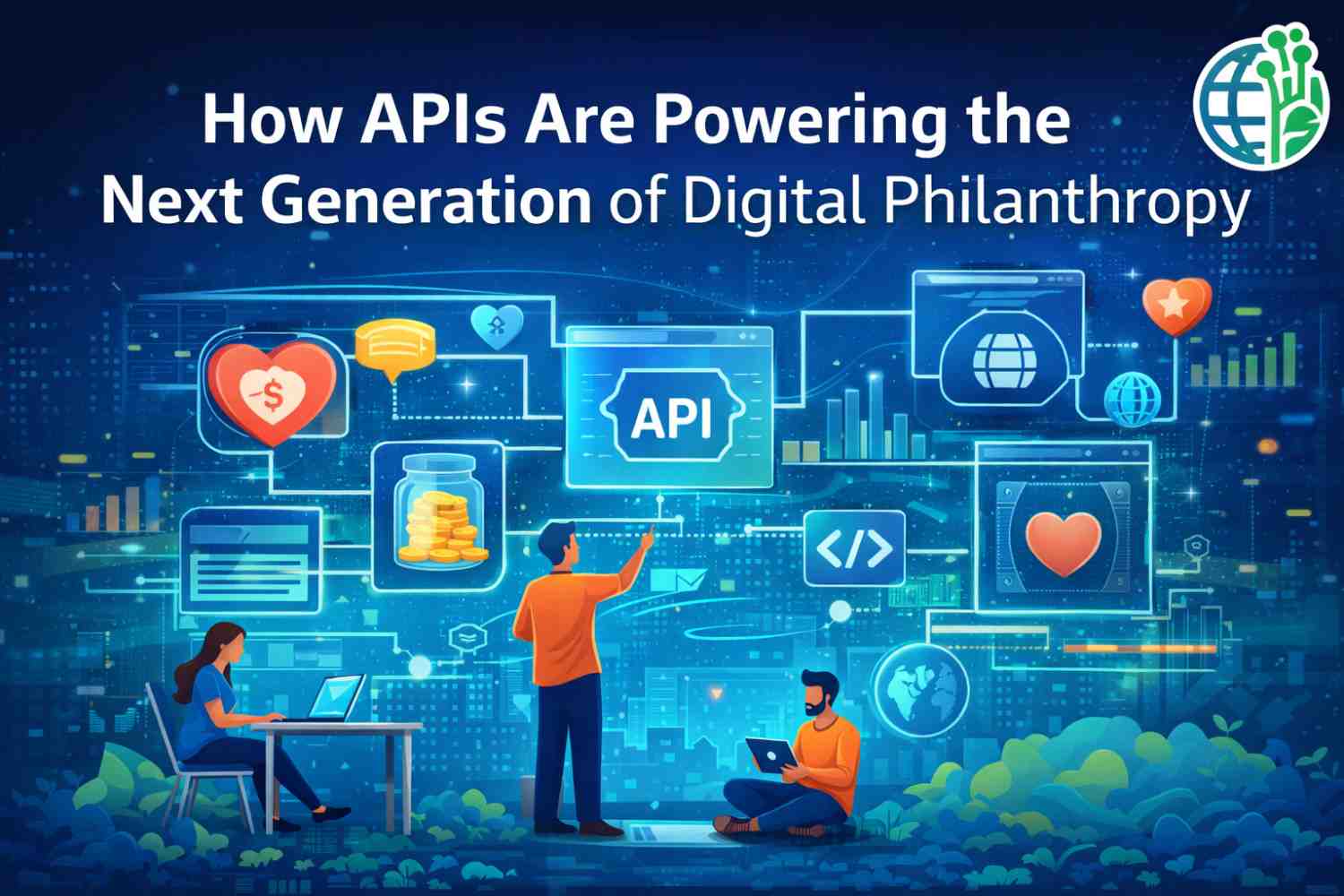
The nonprofit sector is undergoing a significant transformation as digital technology reshapes how charities operate, verify organizations, and process donations. In the past, most charity work and donations were handled manually or through traditional systems. But now, as more people donate online, nonprofit organizations and donation platforms need better digital systems to manage everything. According to insights from Technewztop360, one important technology helping this shift is the Application Programming Interface, commonly known as an API.
An API allows different software systems to communicate with each other and exchange information. In simple words, it works like a bridge between two systems so they can share data easily. In digital philanthropy, APIs help connect donation platforms, nonprofit databases, verification systems, and financial services. Because of this, many processes that were previously manual can now happen automatically.
Today many charity platforms depend on APIs to confirm whether a nonprofit organization is legitimate, process donations safely, and maintain transparency. They also help platforms follow regulatory requirements. Because of these features, APIs are becoming a very important part of modern digital philanthropy systems.
The Infrastructure Behind Modern Donation Platforms
Online donation platforms perform several tasks in the background before accepting a donation. One important step is verifying whether a nonprofit organization is officially registered and legally allowed to receive funds. In many countries, nonprofits must maintain a tax-exempt status and follow certain government regulations.
Earlier, this verification was usually done manually by checking different public databases. This process took time and was not practical for platforms handling large numbers of organizations. APIs have made this process easier. They allow systems to automatically retrieve nonprofit information in real time.
When developers integrate nonprofit data services into their platforms, the system can directly pull information like organization registration details, compliance records, and verification status. This reduces manual work and makes the platform more reliable.
Understanding Nonprofit Lookup APIs
A nonprofit lookup API is a service that allows developers to search information about nonprofit organizations using identifiers like an EIN or organization name. These APIs collect data from different public and regulatory sources and provide structured information that software systems can easily use.
The information returned by these APIs usually includes the legal name of the organization, its tax-exempt classification, registry records, compliance indicators, and sometimes warnings if the organization has faced regulatory issues.
For developers building donation platforms, grant management systems, or charity marketplaces, nonprofit lookup APIs are very useful because they make it easier to verify organizations quickly and accurately.
Example API Response
To better understand how nonprofit verification APIs work in practice, consider the following simplified API response example.
{
“code”: 200,
“message”: “OK”,
“errors”: null,
“data”: {
“pactman_org_url”: “https://pactman.org/profile/nonprofit/aborjaily-example-nonprofit-r5U9r8yRcZ”,
“organization_info_last_modified”: “2/22/2026 1:16:30 AM”,
“ein”: “555555555”,
“organization_name”: “ABORJAILY EXAMPLE NONPROFIT”,
“organization_name_aka”: “ABORJAILY E.N”,
“address_line1”: “50 LOWELL AVE”,
“address_line2”: “APT 3B”,
“city”: “WESTFIELD”,
“state”: “MA”,
“state_name”: “Massachusetts”,
“zip”: “01085-2643”,
“filing_req_code”: “00”,
“pub78_church_message”: null,
“pub78_organization_name”: “Aborjaily Example Nonprofit”,
“pub78_ein”: “555555555”,
“pub78_verified”: true,
“pub78_city”: “Westfield”,
“pub78_state”: “MA”,
“pub78_indicator”: “0”,
“organization_types”: [
{
“organization_type”: “Deductions for donations to public charities are generally limited to 50 percent of adjusted gross income (AGI). This limit increases to 60% of AGI for cash donations. For Non-Cash assets held for more than one year, the limit is 30% of AGI.”,
“deductibility_limitation”: “50%”,
“deductibility_status_description”: “PC”
}
],
“most_recent_pub78”: “12/12/2025 12:00:00 AM”,
“bmf_church_message”: null,
“bmf_organization_name”: “ABORJAILY EXAMPLE NONPROFIT”,
“bmf_ein”: “555555555”,
“bmf_status”: true,
“most_recent_bmf”: “12/09/2025 12:00:00 AM”,
“bmf_subsection”: “03”,
“subsection_description”: “501(c)(3) Public Charity”,
“foundation_code”: “10”,
“foundation_code_description”: “Public charity described in section 509(a)(1) or (2)”,
“ruling_month”: “07”,
“ruling_year”: “2024”,
“group_exemption”: “0000”,
“exempt_status_code”: “01”,
“ofac_status”: “This organization was NOT included in the Office of Foreign Assets Control Specially Designated Nationals (SDN) list.”,
“revocation_code”: “01”,
“revocation_date”: “3/06/2026 9:41:03 PM”,
“reinstatement_date”: “3/07/2026 9:41:03 PM”,
“irs_bmf_pub78_conflict”: false,
“foundation_509a_status”: “N/A”,
“report_date”: “3/25/2026 3:28:54 PM”,
“foundation_type_code”: “pc”,
“foundation_type_description”: “Public charity described in section 509(a)(1) or (2)”
},
“timeTaken”: 3,
“nonprofit_check_count”: 1
}
In this example, the API confirms that the organization is a verified 501(c)(3) public charity and is not listed in sanction databases. This helps platforms ensure that donations are going to legitimate organizations.
Developers can explore the documentation and capabilities of the Nonprofit Check Plus API on the Pactman website.
Key API Categories in Charity Technology
Digital philanthropy platforms usually depend on several different types of APIs. Each type plays a different role in the overall system.
Nonprofit Verification APIs
These APIs help determine whether an organization is properly registered and compliant with regulations. They often connect with official databases such as nonprofit registries or sanction lists.
Donation platforms, corporate giving systems, and grant management tools commonly use these APIs to verify organizations and reduce the chances of fraud.
Donation Processing APIs
Another important category is donation processing APIs. These APIs connect charity platforms with payment systems so that donations can be processed securely.
Through these APIs, platforms can support online payments, recurring donations, international contributions, and automatic financial reconciliation.
Nonprofit Data and Analytics APIs
Some APIs also provide deeper insights about nonprofit organizations. These services may include information about financial transparency, governance structures, and operational data.
Researchers, grant providers, and donors can use this information to better understand how organizations operate.
Why APIs Matter for Trust in Digital Giving
Trust plays a very important role in charitable giving. People want to be sure that their donations are going to genuine organizations and are being used responsibly.
APIs help improve this trust in several ways. Automated verification allows platforms to check nonprofit legitimacy instantly, reducing the chances of fraudulent organizations appearing on donation websites. Standardized APIs also provide structured data that developers can easily integrate into different systems.
Another advantage is scalability. Large donation platforms may process thousands of transactions and verification requests every day, and APIs make this possible. They also help improve transparency because platforms can display verified nonprofit information directly to donors.
Building the Future of Philanthropy Technology
For many years, the nonprofit sector was slower in adopting new technology compared to other industries. However, this situation is now changing as digital tools make charitable activities easier and more accessible.
APIs are playing a central role in this transformation. They allow different systems, such as nonprofit databases, payment platforms, and analytics tools, to work together smoothly. Because of this, developers can build powerful charity platforms without having to create everything from scratch.
As technology continues to develop, nonprofit lookup APIs and other data services will likely become even more advanced. These tools will help improve transparency, strengthen donor confidence, and make it easier for legitimate organizations to receive support.
As digital philanthropy continues to evolve, robust API infrastructure will play a critical role in improving transparency, strengthening donor confidence, and ensuring that charitable resources reach legitimate organizations.
Frequently Asked Questions
A nonprofit lookup API is a specialized digital service that allows developers to search for and verify information about charitable organizations. By using identifiers like an EIN (Employer Identification Number), these APIs pull real-time data from public and regulatory sources to confirm an organization’s legal status and tax-exempt classification.
APIs build trust by providing automated, real-time verification of a nonprofit’s legitimacy. This process significantly reduces the risk of fraudulent organizations appearing on donation platforms and ensures that donor funds are directed toward genuine, compliant charities.
Yes, many nonprofit verification APIs connect directly to official databases and sanction lists, such as the OFAC Specially Designated Nationals list. They can provide instant alerts if an organization has faced regulatory issues or is not officially registered to receive funds.
Manual verification involves checking multiple public databases one by one, which is time-consuming and prone to human error. As online giving scales, donation platforms require APIs to handle thousands of verification requests instantly and accurately.
A typical API response includes the organization’s legal name, EIN, address, tax-exempt status (such as 501(c)(3)), and compliance indicators. Some advanced APIs also provide foundation types and deductibility limitations for tax purposes.